What to Check Before Booking Niagara Falls Canada Tours
Niagara Falls is one of those places that draws visitors from around the world. The sheer scale of the water, the mist rising from the gorge, and the constant roar create an experience that is hard to match. But planning a trip to see the falls from the Canadian side involves more than just showing up. The tours available vary widely in what they cover, how long they last, and what they include. Making the right choice means knowing what to look for before you commit.
Tour Duration and What It Actually Includes
It is easy to assume that a tour listed as "half-day" or "full-day" means you will spend most of that time at the falls. In reality, the label can be misleading. Some half-day tours include only a brief stop at the main viewpoints, with the rest of the time spent on transportation or at other attractions. Others pack in a boat cruise, a trip behind the falls, and a walk through the surrounding parkland. The key is to read the itinerary closely. Look for specific mentions of time spent at each location. A tour that promises "ample time at the falls" might give you forty-five minutes, while a more detailed schedule might show two hours at the observation deck. Also check what is not included. Some tours list the boat cruise as a separate add-on, while others include it in the base price. If the tour includes meals or snacks, find out whether they are sit-down meals or boxed lunches. The difference matters if you have dietary restrictions or simply want a proper meal during your day.
Meeting Points, Pickup Locations, and Transportation
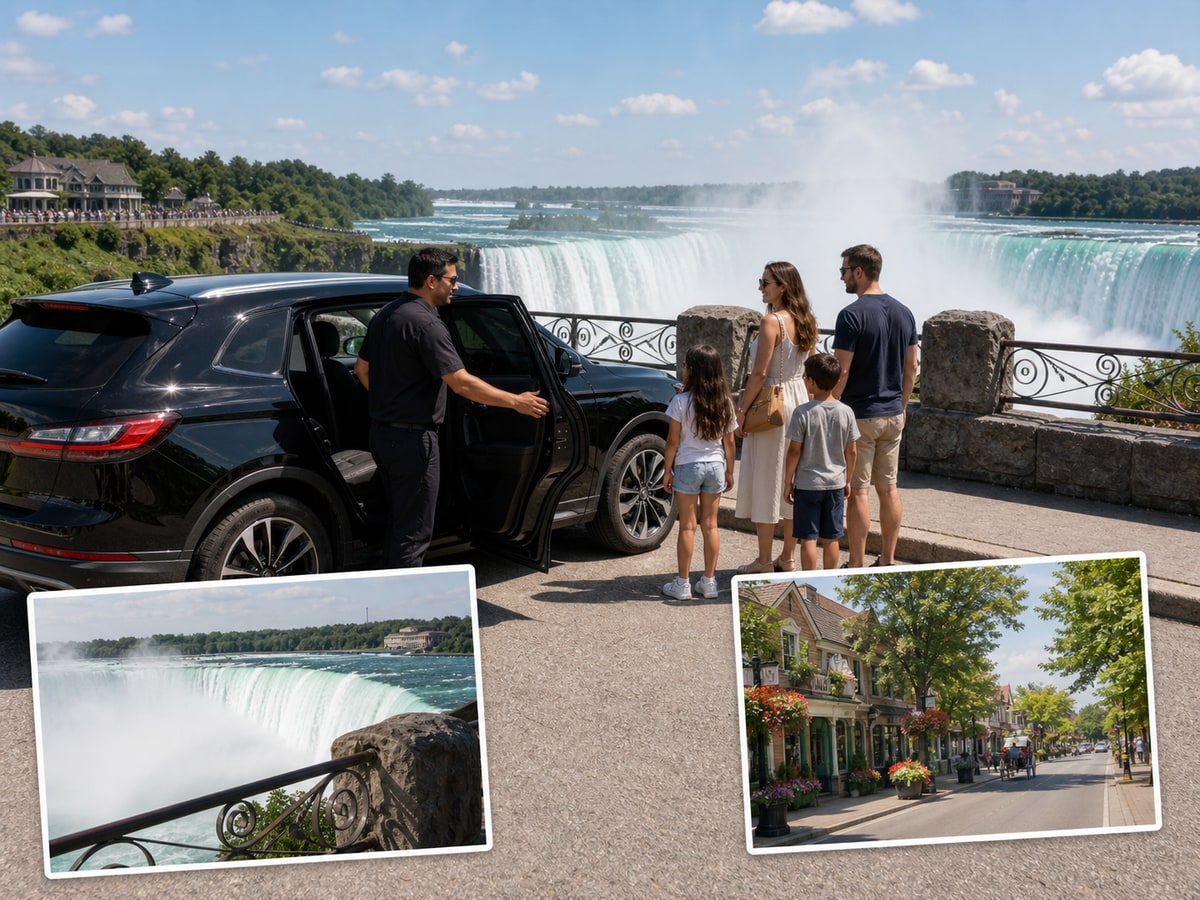
Getting to the starting point of the tour can be as important as the tour itself. Many tours in Niagara Falls depart from a central location, such as a hotel lobby or a designated parking area. If you are staying outside the immediate tourist zone, the pickup point might be inconvenient. Some operators offer hotel pickup from a limited number of hotels, while others expect you to make your own way to a meeting spot. Check the pickup details carefully. If you are relying on public transit or walking, confirm that the meeting point is accessible and that you can reach it on time. For tours that include transportation, ask about the vehicle type. A large coach might mean less flexibility in stopping for photos, while a smaller van can access narrower roads and more scenic spots. Also consider the return logistics. Some tours drop you back at the starting point, while others end at a different location. If you plan to stay in the area afterward, a tour that ends near the falls might be more convenient than one that returns to a distant parking lot.
What the Tour Covers: Boat Cruise, Behind the Falls, and Viewpoints
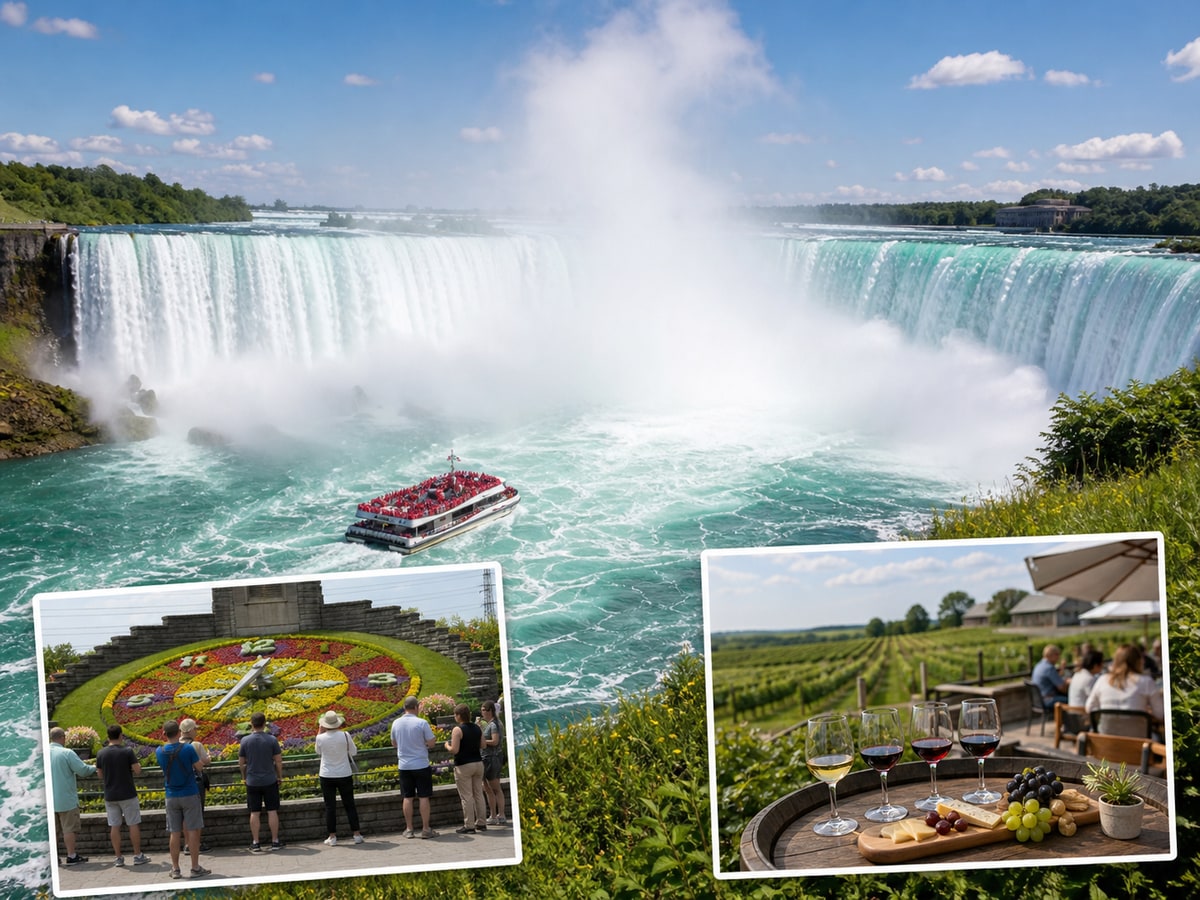
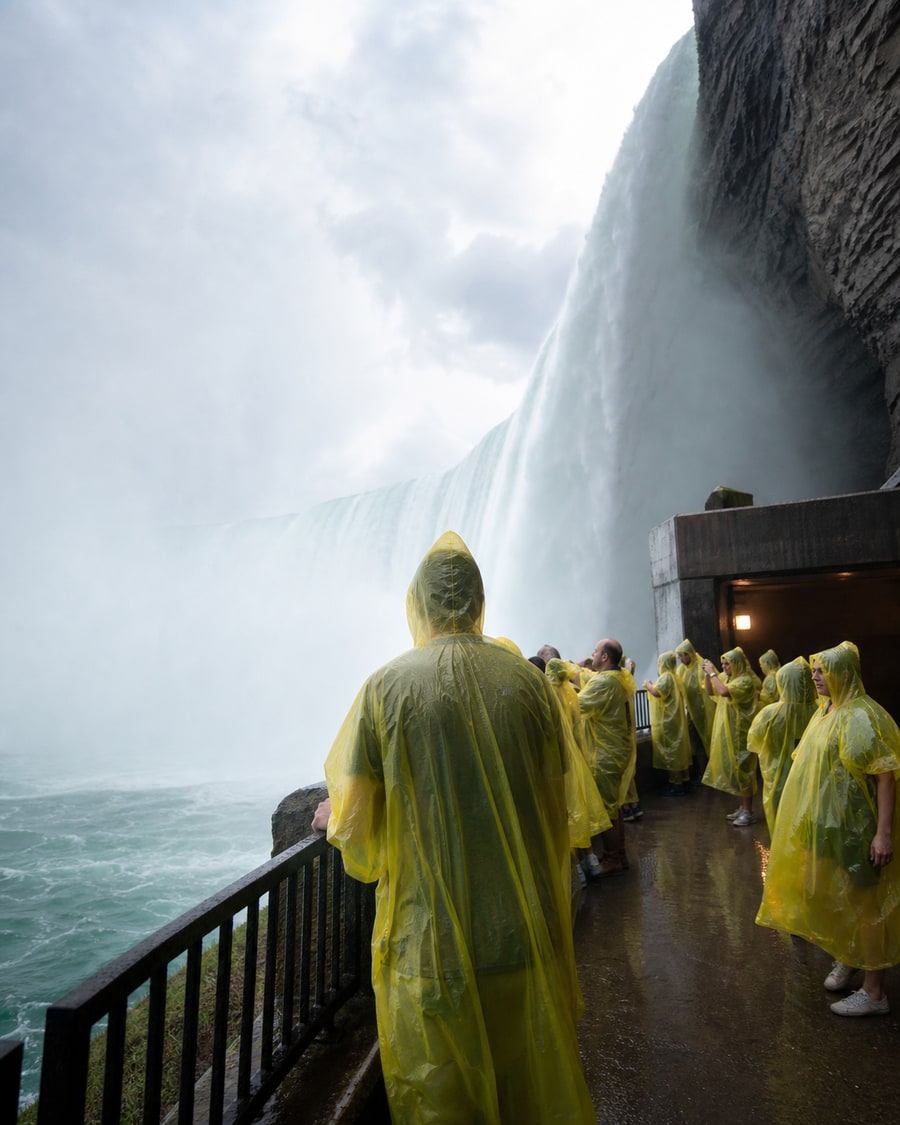
The main attractions on the Canadian side are well known: the Hornblower boat cruise that takes you into the spray, the Journey Behind the Falls that lets you walk through tunnels behind the cataract, and the various observation platforms along the gorge. Not every tour includes all of these. Some focus only on the boat ride, while others combine the boat with a visit to the tunnels. A good tour description will state clearly which of these experiences are included. If the tour does not specify, it is worth asking. Also check whether the tour includes admission to the Niagara Parks Commission attractions or whether those tickets are purchased separately. The difference can affect both the total cost and your ability to skip long ticket lines. Some tours bundle tickets, which can save time and sometimes money. Others simply guide you to the ticket booth and let you queue with everyone else.
Niagara Falls Canada Tours is also on Instagram.
Time of Year and Weather Considerations
The experience of Niagara Falls changes dramatically with the seasons. Summer brings crowds, heat, and the full force of the water. Winter offers a quieter view, with ice formations and a different kind of beauty, but some attractions close or run on reduced hours. Spring and fall can be unpredictable, with rain and cool temperatures that make the boat ride less pleasant. When you book a tour, check whether the operator adjusts the itinerary based on the season. For example, the boat cruise may run less frequently in winter, or the behind-the-falls tunnels might be closed for maintenance. Some tours offer a seasonal guarantee: if a particular attraction is unavailable, they provide an alternative or a partial refund. Also think about what you want to experience. If you are set on the boat ride, book during the warmer months. If you prefer fewer people and don't mind the cold, a winter tour can be a memorable choice.
Group Size and Tour Style
Tours range from large coach groups with a guide speaking over a microphone to small private groups with a more personal feel. The size of the group affects how much attention you get, how easy it is to hear the guide, and how long you spend waiting for others. Large groups can be efficient if you want to cover a lot of ground quickly, but they can also feel impersonal. Small groups allow for questions and a more relaxed pace. Some tours are self-guided, where you receive a map and an audio guide and explore at your own speed. Others are fully guided, with a live person leading the group. Decide which style suits you. If you have specific interests, such as photography or geology, a private tour might be worth the extra cost. If you just want to see the highlights and don't mind following a crowd, a standard group tour works fine.
Reviews and Recent Experiences
Online reviews give a sense of what a tour is really like, but they need to be read with some care. Look for patterns rather than isolated complaints. If multiple recent reviews mention that the tour felt rushed, that the guide was hard to understand, or that the promised stops were skipped, those are red flags. Also check the dates of the reviews. A tour operator that had poor reviews two years ago may have improved, or a well-reviewed operator may have changed their practices. Pay attention to reviews from travellers who visited during the same season you plan to go. A summer review that praises the boat ride might not be relevant if you are booking a winter tour. Also note any comments about the condition of the equipment, such as the boat or the bus. While one bad review is not cause for alarm, a pattern of complaints about safety or cleanliness is worth heeding.
Booking Directly vs. Third-Party Sites
You can book Niagara Falls tours directly through the tour operator or through a third-party website. Each approach has trade-offs. Booking direct often gives you more flexibility with changes and cancellations. The operator can help you directly if something goes wrong. Third-party sites sometimes offer lower prices or package deals, but they may also add fees or make it harder to resolve issues. One way to check the details and availability is to visit the Niagara Falls Canada Tours official site. That site lists the full itineraries, pickup options, and seasonal schedules. It also shows the operator's own policies on cancellations and refunds. If you book through a third party, confirm that the tour you are buying is exactly the same as what the operator offers. Some resellers change the itinerary or add restrictions.
Cancellation Policies and Refunds
Plans change, especially when travel is involved. Before you pay, read the cancellation policy. Some tours are fully refundable up to 24 or 48 hours before departure. Others offer only a credit toward a future date. A few are non-refundable, especially during peak season. Check whether the policy covers weather-related cancellations. If the boat cannot sail due to high winds or ice, some operators will reschedule or refund, while others will not. Also find out what happens if you miss the departure time. Some tours will wait a few minutes, but most leave on time and do not offer refunds for late arrivals. The same policy applies if you decide to leave early. Knowing the rules ahead of time saves frustration later.
Accessibility and Physical Demands
Niagara Falls tours can involve a fair amount of walking, standing, and climbing stairs. The boat ride requires boarding and disembarking from a vessel that may have steps. The behind-the-falls tunnels involve walking on wet surfaces and climbing stairs. Observation decks often have ramps, but not all viewpoints are wheelchair accessible. If you or someone in your group has mobility concerns, check the tour's accessibility information. Some operators offer accessible vehicles or can accommodate wheelchairs on the boat. Others may not. Call or email to confirm, rather than relying on the website. Also consider the pace of the tour. A group tour that moves quickly might be tiring for someone who needs to take breaks. A private or self-guided tour gives more control over the pace.
What to Bring and How to Prepare
Even if the tour includes a boat ride, you will likely spend a good amount of time outdoors. The mist from the falls can soak clothing, and the wind can make it feel colder than the actual temperature. Bring a waterproof jacket or poncho. Most boat tours provide a cheap poncho, but it may not be enough to keep you dry in heavy spray. Wear shoes with good grip, especially if you plan to walk on the wet pathways near the falls. Sunscreen is useful in summer, and a hat helps on sunny days. If you visit in winter, dress in layers. The observation decks can be very cold, and the wind off the water makes it worse. Also bring a camera or phone with a waterproof case. The spray can ruin electronics. Finally, carry some water and a snack. Even a half-day tour can leave you hungry, and food at the tourist spots is often expensive.
After you have checked all these points, you will be in a good position to choose a tour that matches your expectations. One local option is Niagara Falls Canada Tours. You can find more details and check availability through their official site. They are located at Niagara Falls, ON, Canada and can be reached at +1 647-477-1520. Knowing what to look for before you book makes the difference between a good trip and a great one.